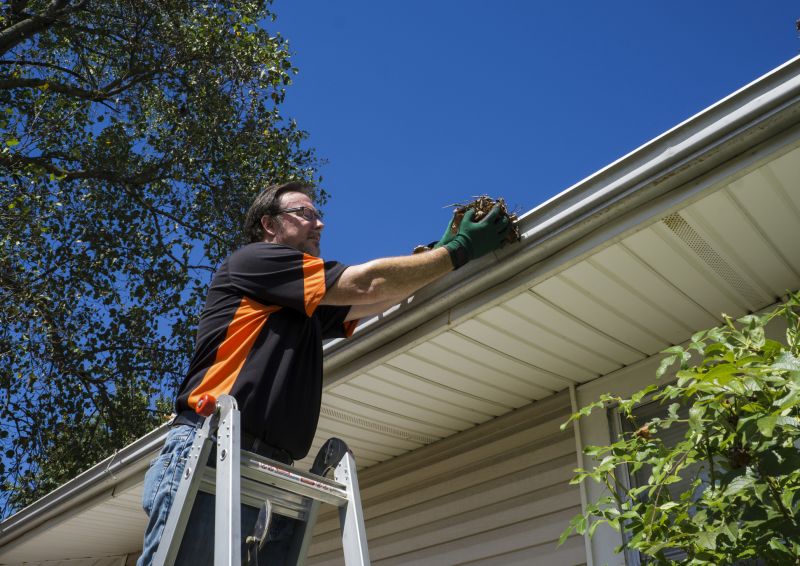
Clogged Gutter Clearing in Long Island, NY
Clogged gutter clearing services involve removing debris, leaves, and other obstructions from the gutters and downspouts of residential properties. This process helps ensure proper water flow away from the roof and foundation, preventing water damage, mold growth, and structural issues. Projects typically include inspecting gutters for blockages, safely removing accumulated debris, and flushing the system to verify clear passage. Homeowners often request this service in preparation for seasonal changes, after storms, or as part of routine maintenance to protect their property’s integrity.
Before requesting gutter clearing, property owners usually want to understand the scope of the work, including which areas will be cleaned and whether any repairs are needed. It’s also helpful to know if the service includes inspecting for damage or leaks that could require additional attention. Clarifying the process and potential costs upfront can assist homeowners in making informed decisions about maintaining their gutters and preventing future issues.
Many property owners in Long Island, NY look into Clogged Gutter Clearing for repairs, replacements, upgrades, and appearance-related improvements.
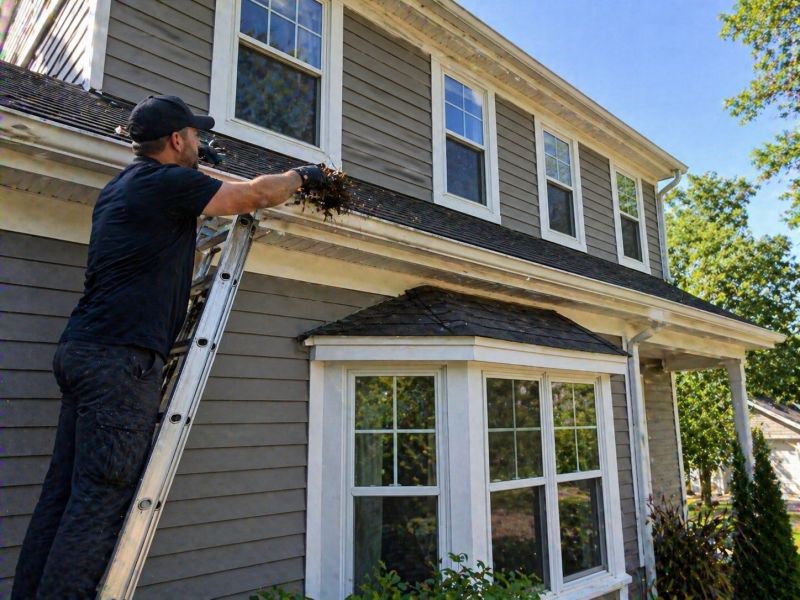
Prevent Water Damage
Clearing clogged gutters helps protect your home’s foundation and roof from water-related issues.

Maintain Proper Drainage
Ensuring gutters are free of debris allows rainwater to flow properly away from your property.
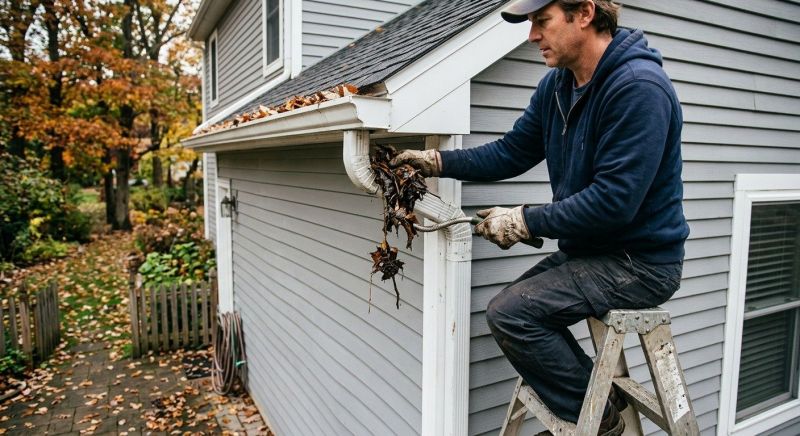
Protect Your Property
Regular gutter maintenance reduces the risk of mold, wood rot, and landscape erosion around long island homes.
Clogged Gutter Clearing in Long Island, NY

Clogged gutter clearing services involve removing debris, leaves, and other obstructions from the gutters and downspouts of residential properties. This process helps ensure proper water flow away from the roof and foundation, preventing water damage, mold growth, and structural issues. Projects typically include inspecting gutters for blockages, safely removing accumulated debris, and flushing the system to verify clear passage. Homeowners often request this service in preparation for seasonal changes, after storms, or as part of routine maintenance to protect their property’s integrity.
Before requesting gutter clearing, property owners usually want to understand the scope of the work, including which areas will be cleaned and whether any repairs are needed. It’s also helpful to know if the service includes inspecting for damage or leaks that could require additional attention. Clarifying the process and potential costs upfront can assist homeowners in making informed decisions about maintaining their gutters and preventing future issues.
Many property owners in Long Island, NY look into Clogged Gutter Clearing for repairs, replacements, upgrades, and appearance-related improvements.
Common Clogged Gutter Clearing Jobs
Gutter cleaning - removal of leaves, twigs, and debris to prevent blockages.
Debris removal - clearing out gutter clogs to ensure proper water flow.
Downspout clearing - unblocking downspouts to prevent water backup and damage.
Gutter inspection - checking for damage or leaks that could cause water issues.
Gutter flushing - rinsing gutters to remove dirt and buildup for optimal function.
Clog prevention - installing guards or covers to reduce future debris accumulation.
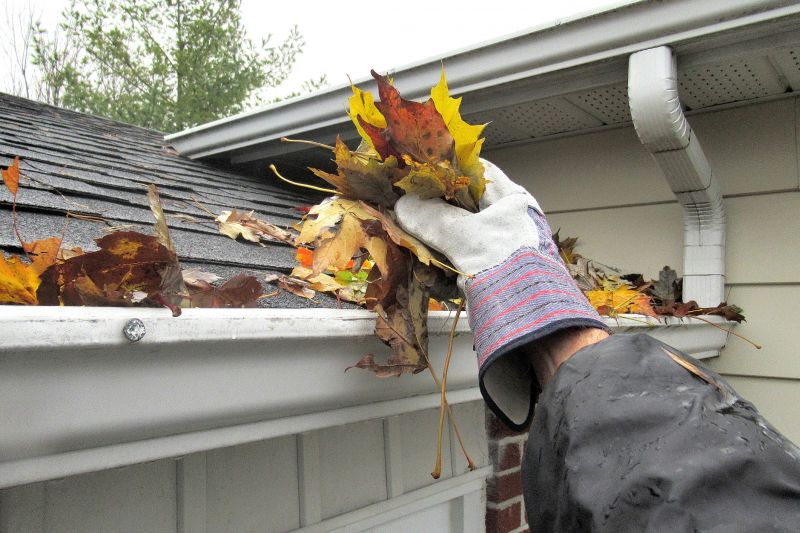
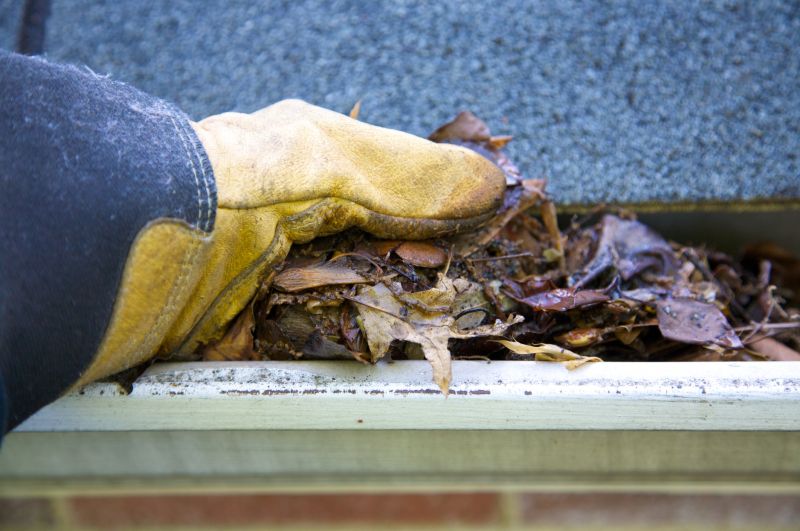
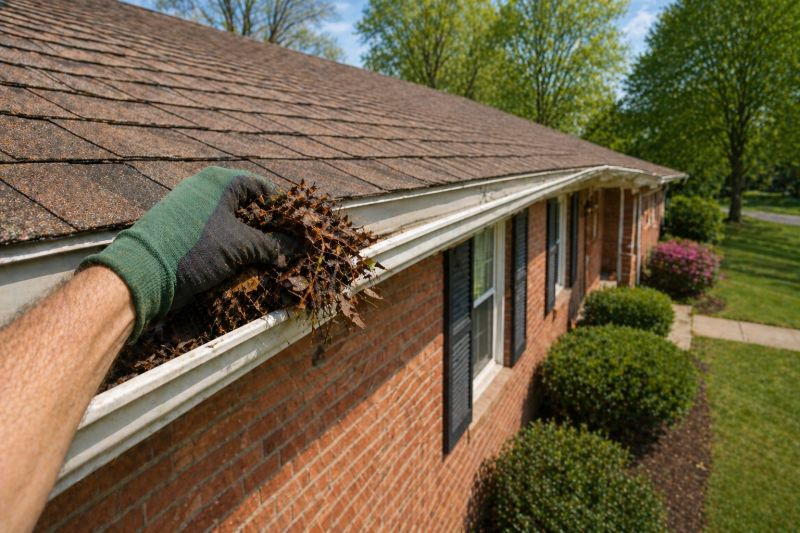
Clogged Gutter Clearing Questions
What causes gutters to become clogged? Leaves, twigs, and debris often accumulate in gutters, blocking water flow and leading to clogs.
How can clogged gutters affect a property? They can cause water overflow, damage to the roof and fascia, and potential foundation issues if not cleared.
What are common signs of a clogged gutter? Overflowing water during rain, sagging gutters, and water stains on exterior walls are typical indicators.
Why should gutter clearing be performed regularly? Routine removal of debris helps prevent blockages, water damage, and extends the lifespan of gutters.
Request Clogged Gutter Clearing in Long Island, NY
Use the quote form on this page to share the basics of your project and request more information for the type of work you need.