Fence Sealing in Seattle, WA
Fence sealing services involve applying protective treatments to existing fences to help prevent damage from moisture, UV rays, and other environmental elements. This service is suitable for a variety of fencing materials, including wood, vinyl, and composite fences, and is often requested to extend the lifespan of fences, improve their appearance, and reduce the need for future repairs. Homeowners typically seek fence sealing before or after installation, or as part of regular maintenance, to keep their fences looking their best and to protect their investment.
Before requesting fence sealing, property owners generally want to understand the type of sealant used, the recommended frequency of application, and how the process might impact their property. It’s also helpful to consider the current condition of the fence, as sealing is most effective when the surface is clean and free of damage. Proper preparation and choosing the right sealing products can contribute to achieving a long-lasting, attractive finish that enhances the overall curb appeal of the property.
Many property owners in Seattle, WA look into Fence Sealing for repairs, replacements, upgrades, and appearance-related improvements.
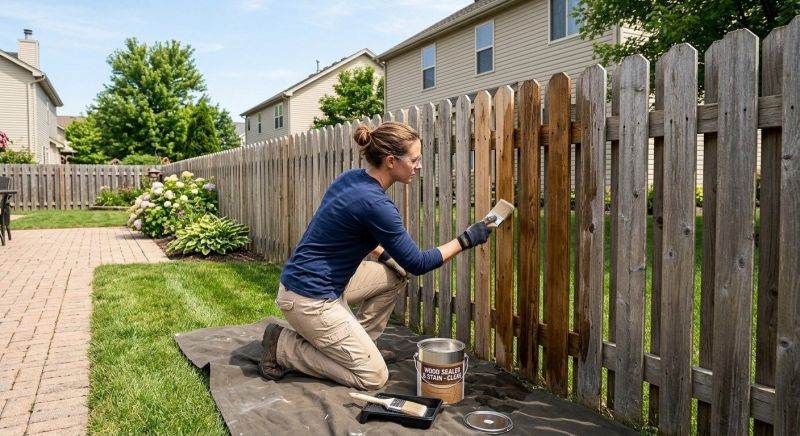
Protection Against Weather Elements
Sealing fences helps prevent damage from rain, snow, and moisture exposure common in seattle.
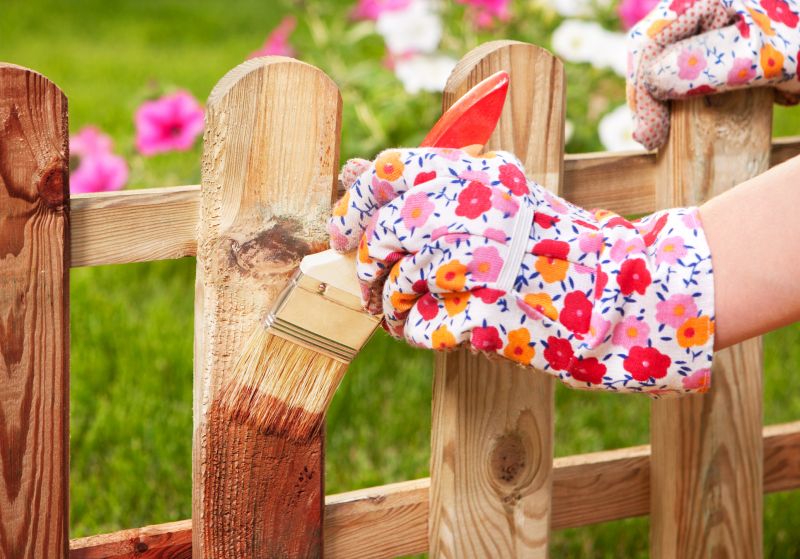
Enhancing Fence Longevity
Proper sealing extends the lifespan of wood and other fencing materials by reducing wear and decay.

Maintaining Curb Appeal
Sealed fences look cleaner and more attractive, improving the overall appearance of residential and commercial properties.
Fence Sealing in Seattle, WA
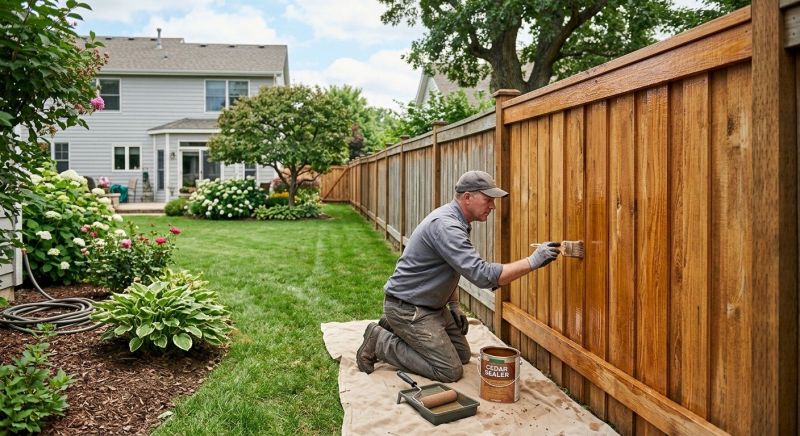
Fence sealing services involve applying protective treatments to existing fences to help prevent damage from moisture, UV rays, and other environmental elements. This service is suitable for a variety of fencing materials, including wood, vinyl, and composite fences, and is often requested to extend the lifespan of fences, improve their appearance, and reduce the need for future repairs. Homeowners typically seek fence sealing before or after installation, or as part of regular maintenance, to keep their fences looking their best and to protect their investment.
Before requesting fence sealing, property owners generally want to understand the type of sealant used, the recommended frequency of application, and how the process might impact their property. It’s also helpful to consider the current condition of the fence, as sealing is most effective when the surface is clean and free of damage. Proper preparation and choosing the right sealing products can contribute to achieving a long-lasting, attractive finish that enhances the overall curb appeal of the property.
Many property owners in Seattle, WA look into Fence Sealing for repairs, replacements, upgrades, and appearance-related improvements.
Common Fence Sealing Jobs
Fence sealing helps protect wood and other fencing materials from moisture damage.
Wood fences can benefit from sealing to prevent warping, cracking, and rot.
Chain-link fences can be sealed to reduce rust and extend their lifespan.
Privacy fences are more resistant to weathering with proper sealing treatments.
Post and panel fences can be sealed to maintain structural integrity and appearance.
Fence restoration projects often include sealing to preserve the fence’s condition.



Fence Sealing Questions
What is fence sealing? Fence sealing involves applying a protective coating to help prevent weather damage and extend the lifespan of the fence.
Which types of fences benefit from sealing? Wood, cedar, and other porous fencing materials typically benefit most from sealing to protect against moisture and decay.
How often should fences be sealed? Fences generally need sealing every 1 to 3 years, depending on the material and exposure to the elements.
What are common signs that a fence needs sealing? Signs include fading, cracking, warping, or visible signs of moisture damage on the fence surface.
Request Fence Sealing in Seattle, WA
Use the quote form on this page to share the basics of your project and request more information for the type of work you need.